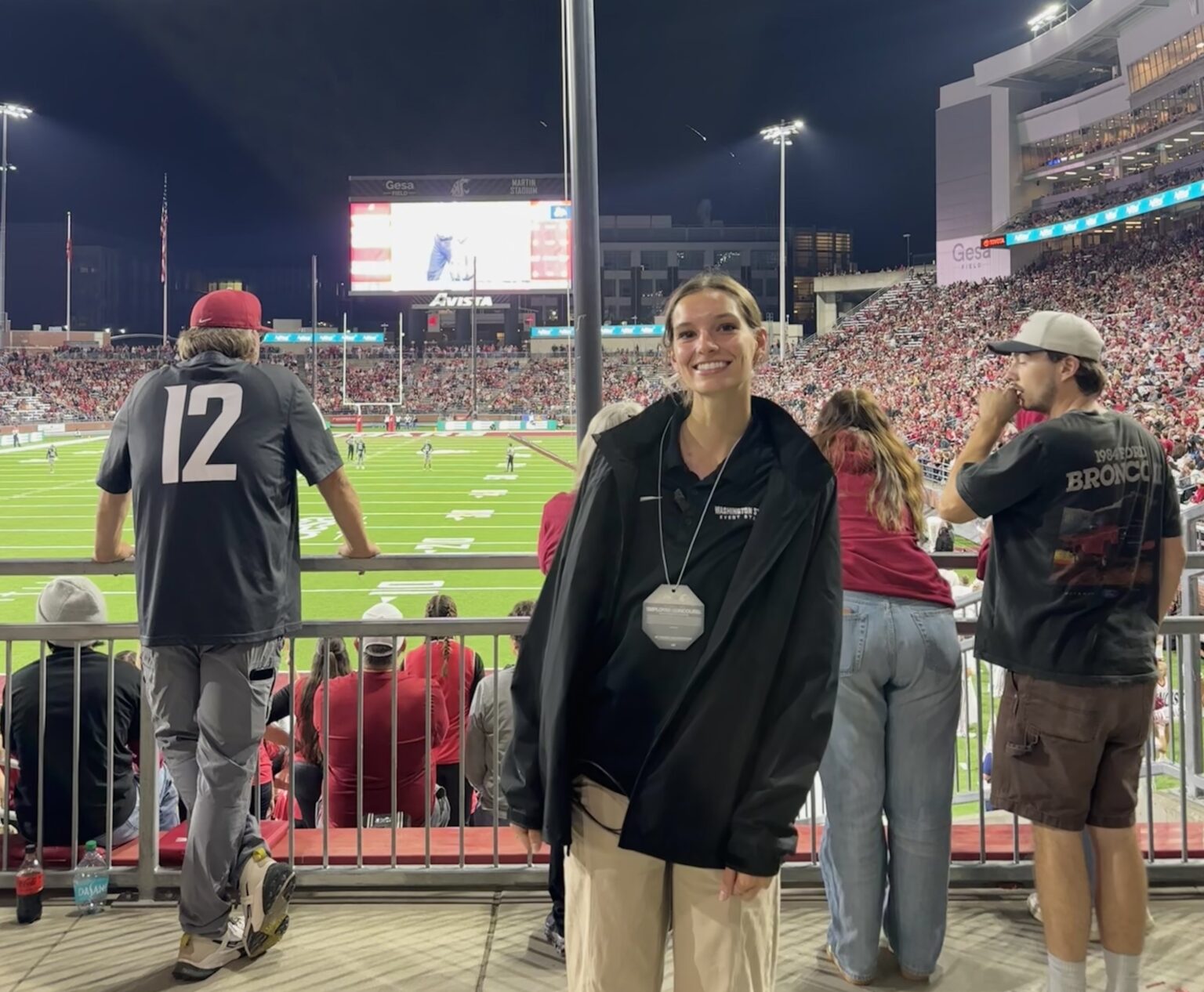
When a referee blows the whistle for a hydration break during a soccer match, most fans see a routine pause in play. WSU student researcher Dominique Phelps sees something far more complex — a window into how sport is quietly reshaping its relationship with water in the age of climate change. Phelps, a student in the Sport Management program within the College of Education, Sport, and Human Sciences at Washington State University, recently authored a critical opinion piece through the Sport and Civic Engagement Research Lab that examines what hydration breaks in soccer actually reveal about sport, ecology, and inequality.
More Than a Water Break
On the surface, hydration breaks appear to be a straightforward player safety measure — a sensible adaptation to rising temperatures driven by the climate crisis. But Phelps’s analysis digs deeper, exploring how this single policy sits at the intersection of player welfare, coaching strategy, and commercial opportunity. The piece, published through the Sport and Civic Engagement Research Lab, asks an unsettling question: when sport focuses on keeping the game going, does it inadvertently obscure the environmental conditions that made adaptation necessary in the first place? Phelps argues that the conversation around hydration breaks tends to center human and commercial interests, while the broader ecological relationships on which sport depends — including its relationship with water — remain in the background. Questions about who has access to clean, safe water, and how sport engages with those inequalities, rarely make it onto the field.
Critical Thinking as a Research Tool
What makes Phelps’s work particularly notable is not just the subject matter, but the approach. This critical opinion piece is intended to develop into a full research study — demonstrating how undergraduate students in the Sport Management program are being trained not just to manage sport, but to question it. The College of Education, Sport, and Human Sciences at Washington State University and the Sport and Civic Engagement Research Lab are creating space for exactly this kind of inquiry, encouraging students to examine sport’s social and ecological responsibilities with rigor and intellectual honesty. For Phelps, the hydration break is a starting point, not an endpoint. It is a small, familiar moment in sport that opens onto much larger questions about climate, justice, and the world sport operates within.
Why a Focus on Water Matters
As climate change continues to reshape the conditions under which sport is played, the questions Phelps is raising will only become more urgent. Sport has enormous cultural reach and commercial power — and with that comes responsibility. By bringing a critical lens to something as routine as a water break, Phelps is modeling the kind of thinking that the Sport Management field increasingly needs. Read the full piece at the Sport and Civic Engagement Research Lab and follow Dominique Phelps’s work as this project continues to develop into a full research study.