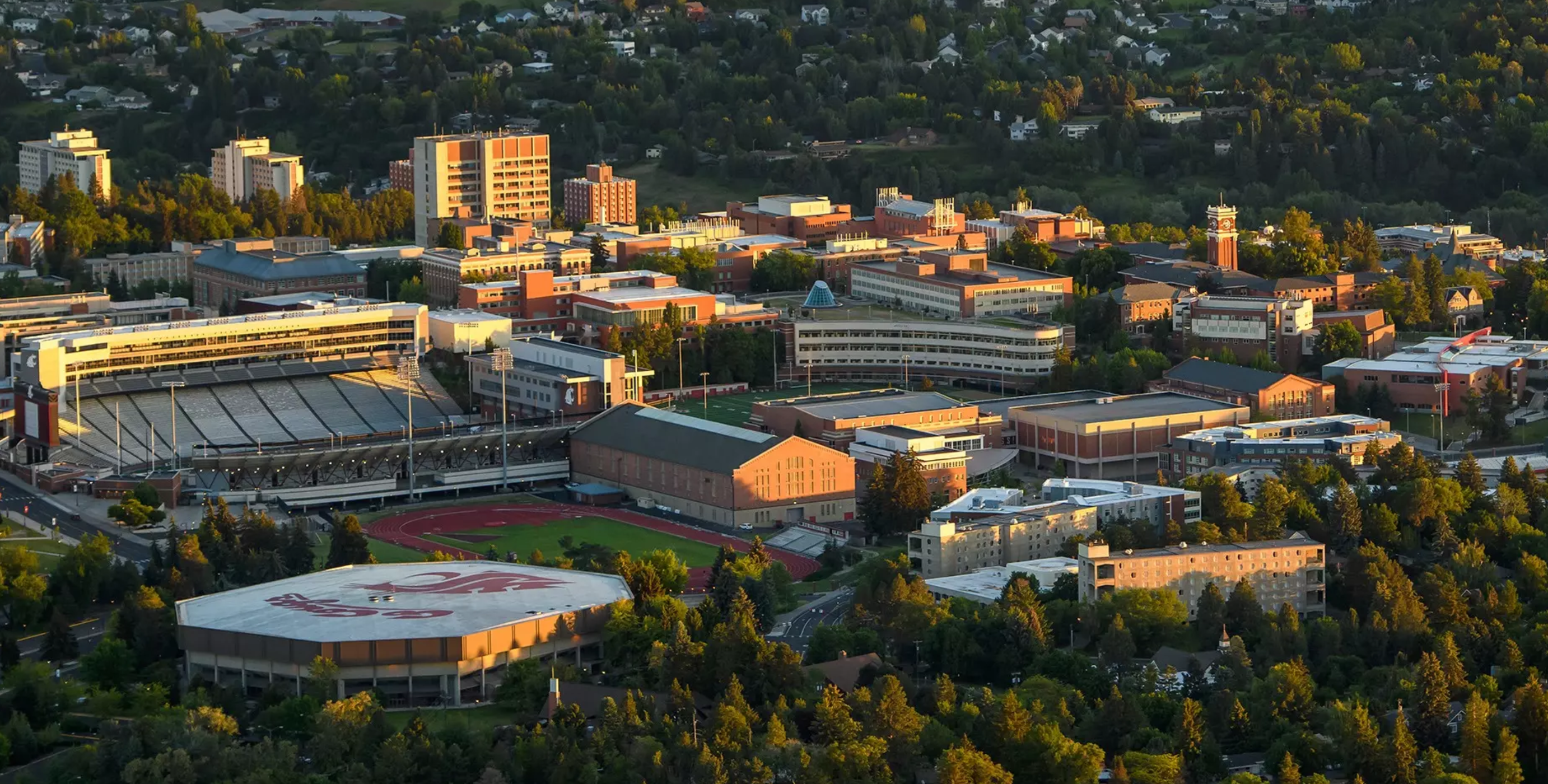
Educational Psychology & Methodology Overview
Educational Psychology & Methodology
About us
Educational Psychology & Methodology…..advancing theory and methods to better learning and performance.
Educational Psychology & Methodology (EPM) at Washington State University explores how people learn, develop, and perform across educational and professional settings. Our faculty and students investigate the cognitive, social, emotional, and motivational processes that influence learning and use research to improve educational practice, assessment, policy, and performance.
Students in our program develop expertise in areas such as:
- Learning and motivation
- Research methods and program evaluation
- Educational assessment and testing
- Psychometrics and measurement
- Learning analytics and data-informed decision making
- Classroom and learning environments
- Technology-enhanced learning
- Social, behavioral, and developmental processes
Our graduates become university faculty, researchers, educational consultants, assessment specialists, learning analysts, program evaluators, and leaders in education, government, nonprofit organizations, and private industry.
Our programs
Additional Certificates
Meet Our Team

Why Study EPM at WSU?
The EPM program at WSU combines rigorous training in learning theory with strong preparation in research methods, evaluation, measurement, and quantitative analysis.
Students work closely with faculty mentors to develop independent research agendas, present at national and international conferences, publish scholarly work, and gain practical experience through interdisciplinary collaborations across campus.
Highlights of the program include:
- Individualized faculty mentoring
- Strong methodological and quantitative training
- Opportunities to conduct and publish research
- Interdisciplinary collaborations across campus
- Access to the Learning and Performance Research Center (LPRC) and labs
- Flexible pathways aligned with students’ research interests and career goals
Our mission
The mission of the EPM program is to prepare scholars and professionals who can address complex educational challenges through research, critical thinking, and evidence-based practice.
We train students to become both informed consumers and effective producers of research. Graduates leave the program with the knowledge, methodological expertise, and professional skills needed to contribute to theory, improve educational practice, inform policy, and positively impact learning and performance across diverse settings.
Degree Programs
We offer two graduate degree options in Educational Psychology.
Master of Arts (M.A.)
The M.A. program provides students with a strong foundation in learning theory, research methods, evaluation, and measurement. Students complete a formal thesis and typically finish the degree in approximately two years.
Doctor of Philosophy (Ph.D.)
The Ph.D. program prepares students for research, leadership, and faculty careers. Students develop expertise in educational psychology while pursuing original research culminating in a dissertation. Most students complete the program in three to five years beyond the master’s degree.
Both programs provide flexibility to tailor coursework and research experiences to individual interests and professional goals.
Learn more:
Research and Professional Opportunities
EPM students actively engage in research throughout their programs. Faculty members mentor students in developing research projects, publishing scholarly work, and presenting at professional conferences.
Students may also pursue advanced methodological training through graduate certificates and participate in research initiatives through the Learning and Performance Research Center (LPRC) and faculty-directed research laboratories.
Career Outcomes
Graduates of the program work in a variety of sectors, including:
- Universities and colleges
- Research organizations
- School districts and educational agencies
- Testing and assessment companies
- Government agencies
- Nonprofit organizations
- Private industry
Career paths include professor, researcher, learning analyst, psychometrician, assessment specialist, program evaluator, educational consultant, and policy researcher.
Connect With Us
- EPM Faculty
- Frequently Asked Questions for Prospective Students
- Learning and Performance Research Center (LPRC)
For further information, email us at edpsych.coe@wsu.edu or complete this short survey. you can also reach out to specific faculty of interest.