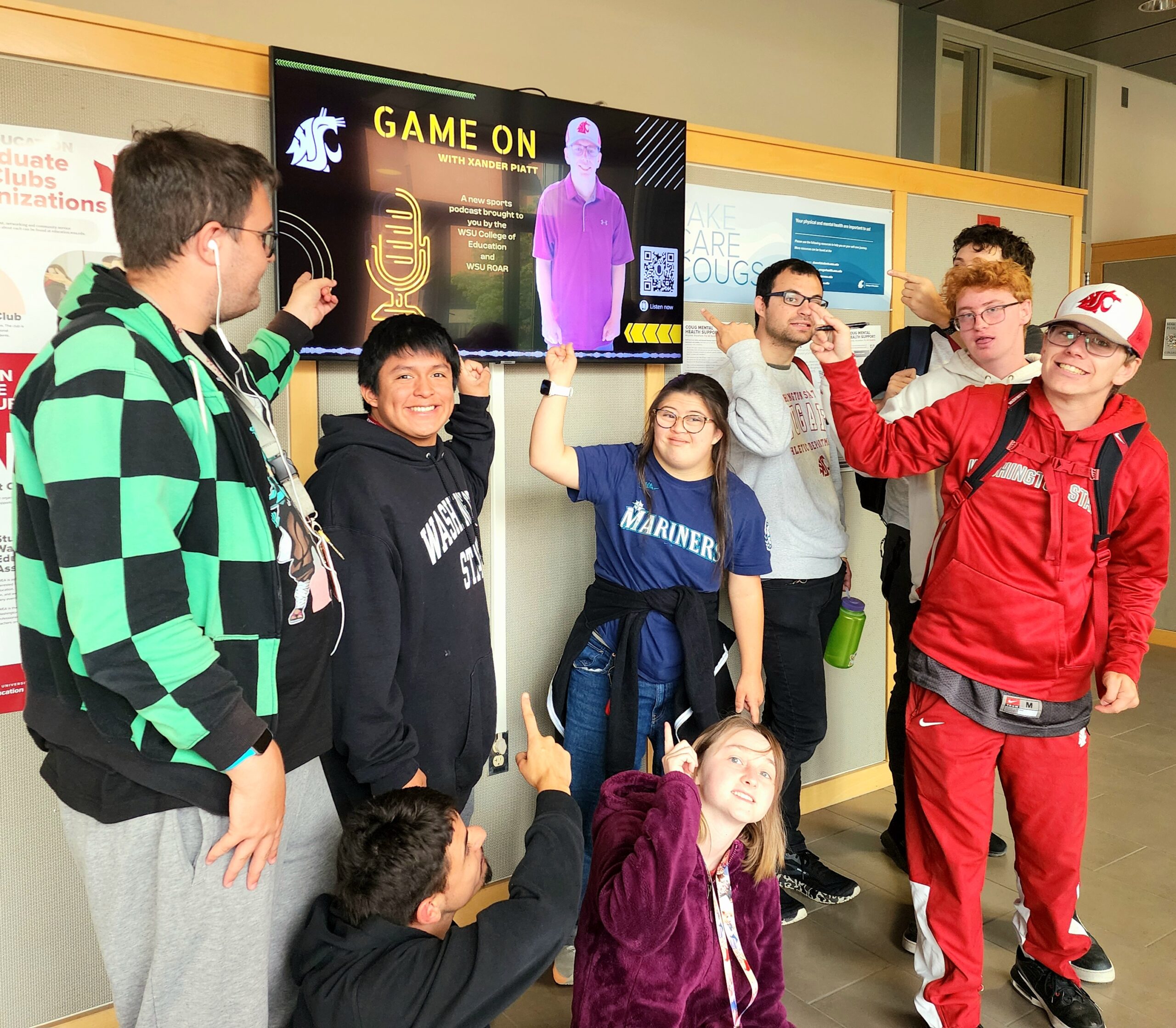
Preparing for WSU ROAR
Skills That Help Students Succeed
The following is a list of suggested skills that young adults may want to develop before applying to and joining a Comprehensive Transition Program like WSU ROAR. This skill list can serve as a guide to help students, families, and educators identify areas for growth and practice.
- Spend time away from home overnight (practice staying with friends or family)
- Practice daily hygiene and grooming
- Take medication independently or with reminders
- Keep your room clean and organized
- Build cell phone skills (texting, calling, downloading apps, charging)
- Manage your own money (budgeting or using a debit card)
- Shop for personal needs (groceries, hygiene products, etc.)
- Prepare simple meals
- Practice using maps, transportation apps, or local transit systems
- Help with household chores (laundry, dishes, making your bed, emptying trash)
- Practice making friends and starting conversations
- Practice self-advocacy to ask for help if you need it
- Be mindful of your mental health – learn what helps you feel calm, focused, and supported
- Become familiar with your personal devices (phone and laptop)
- Use email independently (checking, writing, replying)
- Practice reading and writing a little bit each day
- Keep track of classroom materials and assignments
- Use a simple calculator
- Learn about classroom accommodations and which accommodations work for you
- Gain work or volunteer experience
- Follow directions to complete tasks
- Stick to a daily schedule or routine
- Practice working with others (coworkers, supervisors, customers, etc.)
- Learn professional social skills (introductions, small talk, polite behavior)
- Practice building a resume
Independent Living
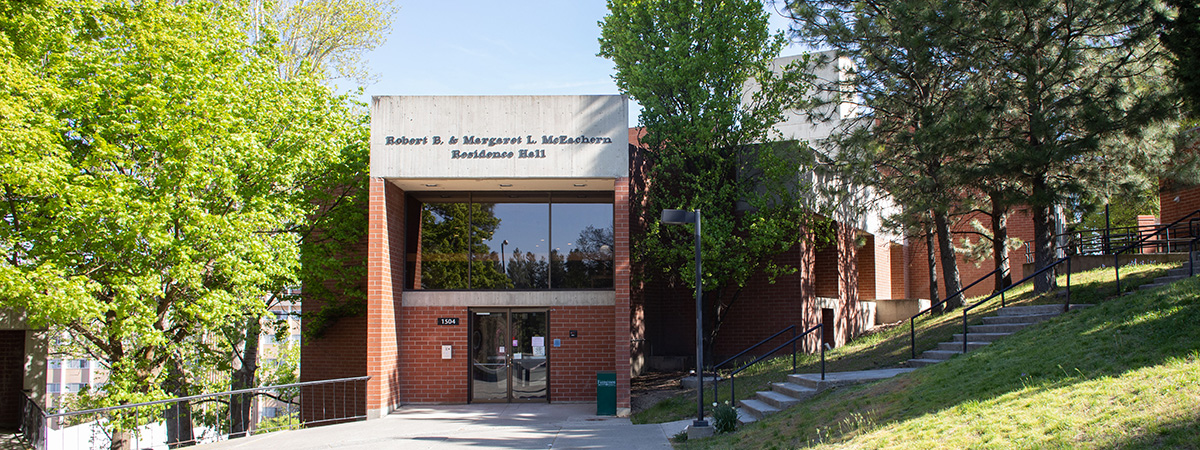
At WSU ROAR, students live on campus for both years of the program. This is an important part of developing independence, building community, and experiencing college life to the fullest. WSU ROAR staff work closely with students and families to guide the housing process – from selecting housing and completing lease paperwork to getting settled during move-in. Once the school year begins, our Assistive Living Advisors (ALAs) provide ongoing support with daily routines, independent living skills, navigating shared spaces, and safety check-ins. You can find more information on our WSU ROAR Staff page. Our goal is to help students feel confident, safe, and at home, whether its their first time away from home or not.
To prepare for living in the dorms, students may want to practice everyday skills including laundry, using a shared bathroom, and keeping a personal living space tidy. These small steps can make a big difference in building confidence before move-in day.
Academics
At WSU ROAR, students don’t just take random classes. We support their choices in selecting classes that align with their goals and spark their interests.
During person-centered planning meetings, students talk with WSU ROAR staff about their career goals, dream jobs, and the kinds of things they enjoy learning about. Based on those conversations, we help students select audit courses at WSU that match their path, whether its a class that builds career skills or one that just sounds fun and engaging.
Expected school supplies include: A laptop and charger, a sturdy backback, notebooks or binders for each class, highlighters, a folder for handouts, and a reusable water bottle. Some students also like to bring a planner or calendar to keep track of assignments and appointments. If you’re not sure what you’ll need, an expected school supply checklist will be included in new student packets.
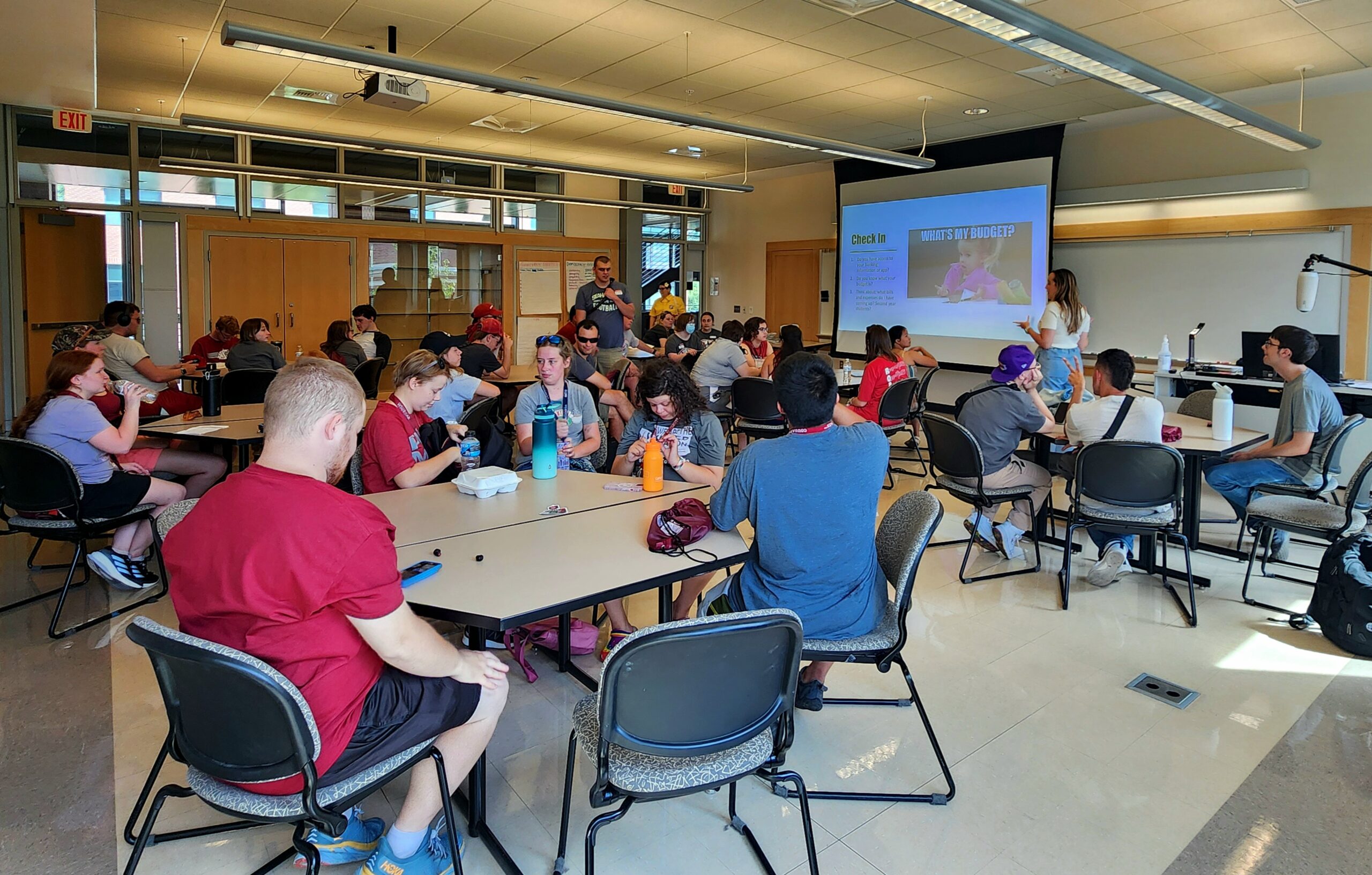
Tips for Preparing for College Classes
- Think about your interests and goals
- Explore the class schedule
- Gather your supplies
- Practice self-advocacy and independence
Employment and Work-Based Learning
A big part of the WSU ROAR experience is getting ready for the world of work. During your time in the program, students participate in work-based learning, which means exploring jobs, building employment skills, and gaining experience in supportive environments.
Some students start with on-campus volunteer roles or job shadowing. Others take part in paid positions or internships, depending on their experience and interests. The WSU ROAR Employment Services Coordinator helps match each student with opportunities that support their long-term goals, while also teaching skills like time management, communication, and professionalism.
To prepare for work-based learning, students can start building habits before joining us. Things like showing up on time, following directions, working with others, and practicing a strong work ethic all lay the foundation for future success. Volunteering or doing small jobs in your community are great ways to get experience before joining ROAR.
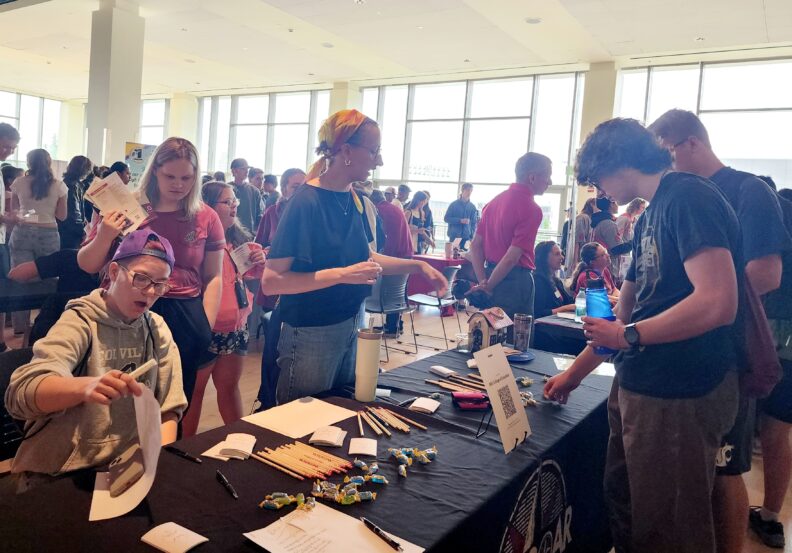
How to Prepare for Employment
- Try volunteering or helping out in your community
- Build communication skills – ask questions, greet others, and talk about your interests
- Think about your stengths and what kind of jobs might be interesting to you
- Be open to learning new skills and trying new things
Additional Resources
For more ways to prepare for a Comprehensive Transition Program like WSU ROAR, visit ThinkCollege.net. Their site offers helpful tools, articles, and videos designed for students with intellectual and developmental disabilities who are planning for college. We especially recommend checking out their Student Corner| Think College page, which includes tips on self-advocacy, goal-setting, and what to expect in inclusive college programs.
Ready to take the next step?
If you or someone you know is excited about joining the ROAR community, we’d love to hear from you. Learn more about the admissions process and start your application today!