By C. Brandon Chapman. College of Education, Sport, and Human Sciences
Rural teachers in Washington state will soon have access to cutting-edge, AI-powered tools to help design high-quality, location-based science curriculum—thanks to a $50,000 award from Microsoft to the College of Education, Sport, and Human Sciences’ Tingting Li.
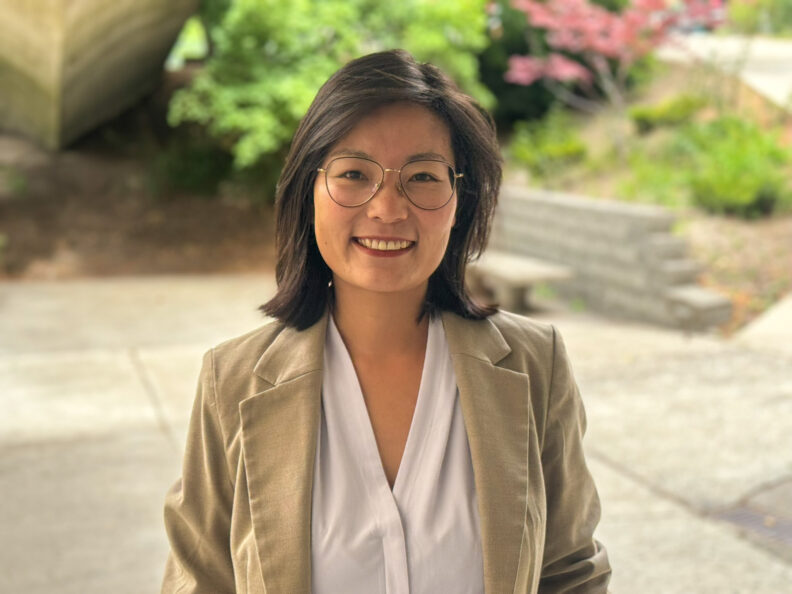
The grant, part of Microsoft’s AI for Good project, will support the development of an adaptive assessment system that helps elementary teachers create customized, standards-aligned science curriculum—particularly in under-resourced, rural classrooms. The project uses Microsoft Azure’s AI tools to deliver real-time support tailored to multilingual learners and diverse student needs.
“This work is about helping teachers do what they do best—teach—without being held back by a lack of resources or time to build assessments from scratch,” said Li, an assistant professor of science education. “By giving them AI tools that adapt to their students’ needs, we’re creating more equitable, engaging learning environments.”
Teachers in rural communities such as Pullman and Colfax will pilot the system over the next two years. The tool will draw on Li’s previous research and existing assessment data to co-design science assessments aligned with Next Generation Science Standards (NGSS). The new platform will support multilingual learners, offer assessment customization, and help teachers streamline their workflow.
In year one, the team will develop and test the prototype with WSU educators. In year two, it will be deployed in five to ten classrooms, where teachers will provide feedback on usability and effectiveness. The results will help refine the tool and lay the groundwork for future statewide implementation.
Microsoft praised the project for aligning with its mission to use AI for social good.
“We believe that technology can empower researchers, non-profits, and organizations to unlock solutions to the biggest challenges facing society today,” the company stated in the award letter.
“This grant opens doors for rural educators and the students they serve,” Li said. “We’re proud to be part of a movement that uses AI not just for innovation, but for impact.”
###